
-

-
 Istanbul / Turkey
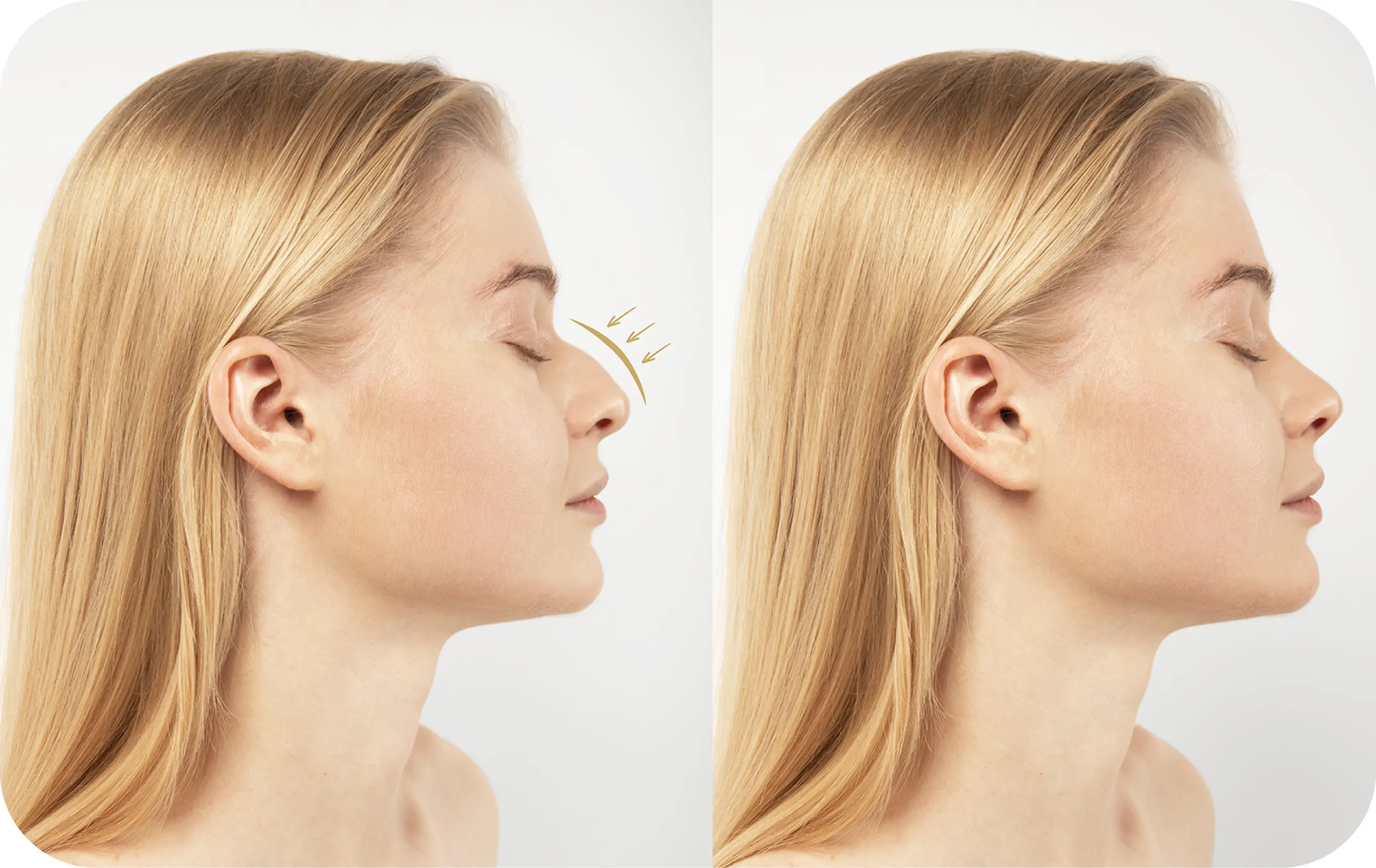
Rhinoplasty—commonly known as a nose job—is a surgical procedure designed to reshape or improve the function of the nose. It may be performed for aesthetic enhancement, medical correction, or both. Turkey has become one of the world’s leading destinations for rhinoplasty thanks to its experienced surgeons, modern clinics, and affordable healthcare packages.
There are two primary approaches:
In open rhinoplasty, the surgeon makes a small incision on the columella (the strip of tissue between the nostrils). This allows the skin to be lifted from the bone and cartilage, providing a full view of the nasal structure. This method is ideal for major reshaping or complex surgeries.
In closed rhinoplasty, all incisions are made inside the nostrils, leaving no visible scars. It is typically preferred for more minor corrections and offers shorter recovery times.
Patients choose rhinoplasty for both cosmetic and medical reasons. Common motivations include:
Refining the nasal tip
Straightening the bridge
Reducing or increasing nasal size
Correcting asymmetry
Improving overall facial harmony
Deviated septum
Cleft palate or cleft lip–related deformities
Post-traumatic nasal deformities
Breathing difficulties caused by chronic allergies
Nasal polyps or masses
Rhinoplasty is accessible for most patients. The primary requirement is:
Being medically fit for general anesthesia.
International patients will also undergo pre-operative evaluations once they arrive in Turkey to ensure they are good candidates for surgery.
If you are traveling from abroad, plan to arrive in Turkey one day before your surgery so pre-operative tests can be completed.
Patients should also:
Stop smoking and drinking alcohol at least 2 weeks before surgery to reduce complications.
Avoid medications containing aspirin or ibuprofen for 2 weeks before and after the procedure (these can increase bleeding risk).
Inform the clinic about all medications and supplements you use.
Understand that swelling and bruising are normal and the nose may take several weeks—and up to a year—to fully settle.
Many clinics in Turkey also offer free consultations, VIP transfers, and hotel accommodations as part of medical tourism packages.
Rhinoplasty is a tailor-made procedure. Your surgeon in Turkey will assess your facial structure, skin thickness, and personal goals before recommending the best technique.
Anesthesia: Ensures comfort throughout the operation.
Incisions: Either inside the nostrils (closed) or across the columella (open).
Reshaping: The surgeon may remove cartilage or bone, reshape the existing cartilage, or add grafts.
Functional corrections: If needed, breathing obstructions are corrected simultaneously.
Closing the incisions: Sutures are placed and the nose is bandaged.
The surgery usually takes 1–3 hours depending on complexity.
After the procedure, a nasal splint or internal supports may be placed to maintain the new shape.
Avoid strenuous exercise and heavy lifting
Keep the nose dry
Avoid exaggerated facial expressions
Brush teeth gently
Wear button-up or zip-up clothing to prevent accidental pressure on the nose
Protect the nose from impact and sun exposure
Most swelling decreases within 2–4 weeks, while the final results appear gradually over 6–12 months.
Although rhinoplasty is considered safe—especially in Turkey’s specialized clinics—risks may include:
Bleeding
Infection
Anesthesia reactions
Persistent swelling or discoloration
Breathing difficulties
Numbness around the nose
Asymmetry
Choosing an experienced surgeon significantly reduces these risks.
Turkey is one of the top destinations for rhinoplasty due to:
Highly skilled, internationally trained plastic surgeons
Advanced medical facilities
Affordable all-inclusive packages
High patient satisfaction rates
Short waiting times
Rich tourism opportunities for before and after the procedure
Many international patients combine their treatment with a visit to Istanbul enjoying the unique blend of medical care and cultural experience.