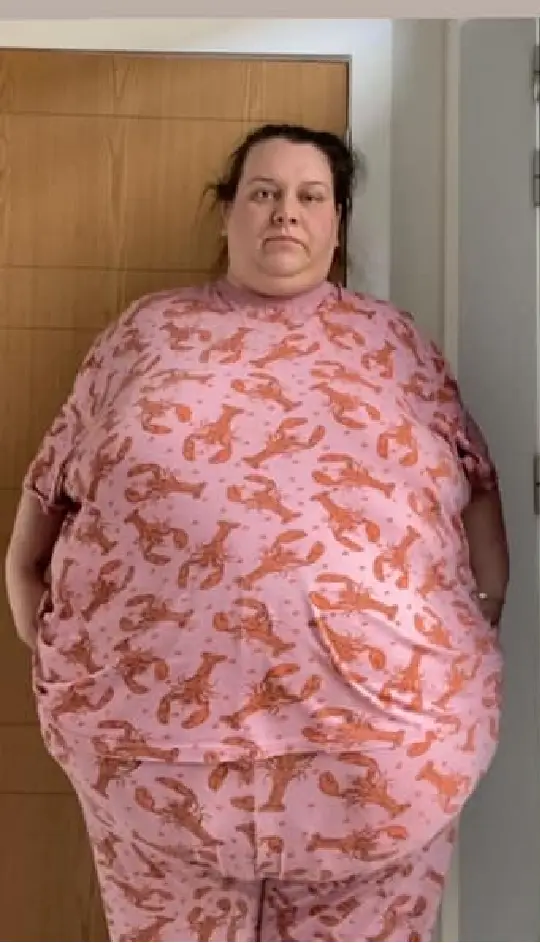









What is bariatric surgery?
Bariatric surgery is the medical name for weight loss surgery. Each procedure works in one or both of two ways. Restrictive procedures make the stomach smaller, so you feel full sooner and eat less. Malabsorptive procedures reroute part of the small intestine, so fewer calories are absorbed. Many operations also lower the level of hunger hormones, which is why patients often notice a smaller appetite soon after surgery.
For people living with obesity, surgery is the most effective long-term treatment available when diet and exercise alone have not worked. Beyond the number on the scales, many patients see improvements in type 2 diabetes, high blood pressure, high cholesterol, sleep apnoea, joint pain and fertility. All the operations are carried out by keyhole (laparoscopic) surgery, which means smaller scars and a quicker recovery than open surgery.
How to choose the right procedure
You do not need to decide alone. You send your height, weight and medical history, and the bariatric team recommends the options that suit you. These are the main factors they weigh up:
Your BMI. A gastric balloon may suit a lower BMI or someone who wants a non-surgical start. Surgery is usually considered from a BMI of 30 to 40.
Acid reflux. If you already have significant heartburn, especially with a hiatus hernia, a gastric bypass is usually preferred, because a sleeve or mini bypass can make reflux worse.
Type 2 diabetes. Bypass procedures often have a strong effect on blood sugar control.
Previous surgery. If you have had a band, sleeve or bypass before, a revisional operation may be advised.
Your commitment to follow-up. Bypass procedures need lifelong supplements and regular blood tests.
The table below gives a broad comparison. Your own result will depend on your starting weight, your health and how closely you follow the eating plan.
Procedure | How it works | Typical stay in Turkey |
|---|---|---|
Gastric balloon | A soft balloon takes up space in the stomach for 6 to 12 months; no incisions | 2 days (1 night in hospital) |
Gastric sleeve | About 80% of the stomach is removed, leaving a narrow tube | 4 days (3 nights in hospital) |
Mini gastric bypass | A long, narrow pouch is joined to a loop of small intestine | 5 days (4 nights in hospital) |
Roux-en-Y gastric bypass | A small pouch is connected to the intestine, bypassing most of the stomach | 5 days (4 nights in hospital) |
Revisional surgery | An earlier operation is corrected or converted to another type | 5 days (4 nights in hospital); band removal 4 days (2 nights) |
What to expect
Before surgery
Once your date is set, you receive a treatment schedule and a liver-reducing diet to follow for the days or weeks before you travel. This shrinks the liver and makes keyhole surgery safer. In Istanbul you have tests such as blood work, an ECG, an ultrasound and breathing checks, and you see the anaesthetist, an internal medicine specialist and a dietitian.
In hospital
Nurses monitor you closely for the first hours and through the first night. You are encouraged to walk within a few hours, which helps circulation and eases gas pain. Sips of liquid start once the team is satisfied, and the dietitian explains the stages ahead.
After you go home
Most surgical patients follow a staged diet for about six to seven weeks: liquids first, then puréed food, then soft food and finally normal textures in small portions. You aim for at least 60 g of protein a day, avoid sugar, alcohol and fizzy drinks in the early months, take your supplements and wear compression stockings as advised. Walking is encouraged from the first week; heavy exercise and swimming wait for about a month.
Risks to be aware of
Weight loss surgery is major surgery. Risks linked to the operation include bleeding, infection, blood clots, leaks from a staple line or join, hernia and reactions to anaesthesia. Rarely, complications can be life-threatening. Longer-term effects can include vitamin and iron deficiency, gallstones, reflux, dumping syndrome, ulcers and temporary hair loss. Your surgeon explains the risks of your specific procedure before you consent.
Bariatric surgery in Turkey: your trip
Before you fly
Share your details and any recent test results. The team reviews them with the surgeon and sends a treatment plan and price, then books your date.
In Istanbul
Your package covers the hospital stay, tests, surgery, medication, meals, VIP transfers and a translator, and a companion can stay with you at no extra cost.
Back home
Your coordinator stays in touch 24/7 on WhatsApp, follows your diet stages and passes any questions to the surgical team.
Bariatric Surgery procedures
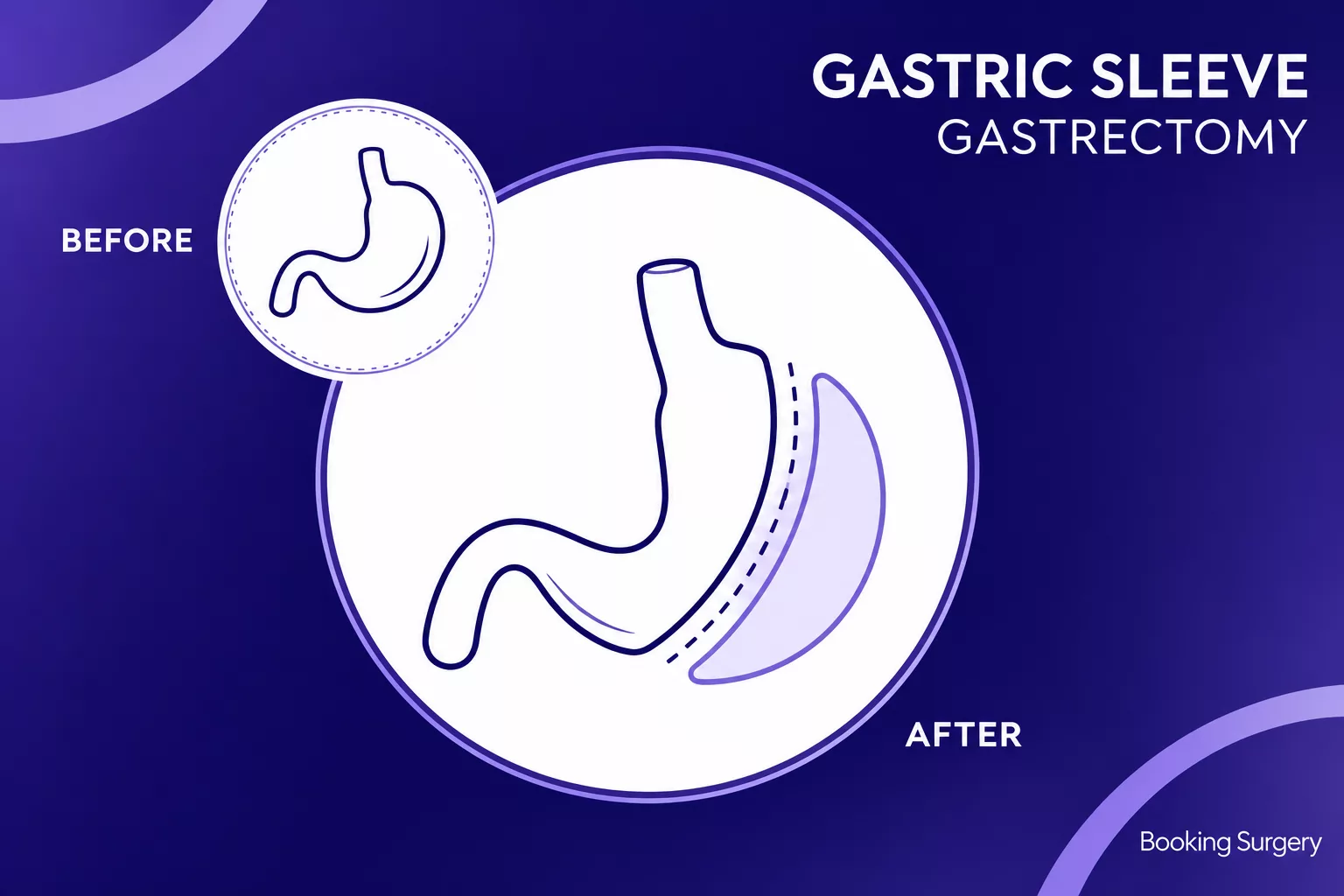
Gastric Sleeve
Keyhole surgery that reduces the stomach by about 80% to cut hunger and portion size.
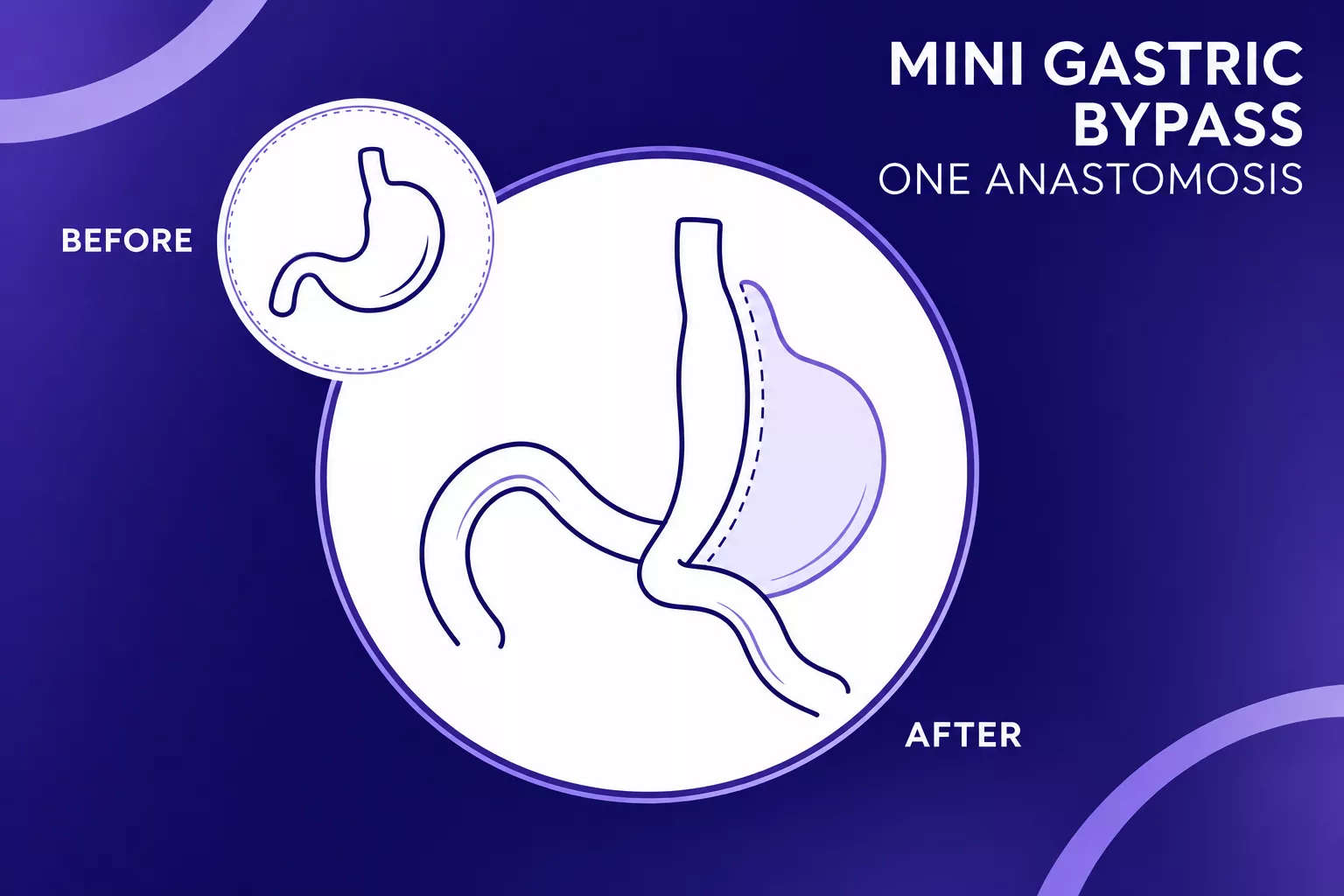
Mini Gastric Bypass
Keyhole surgery that creates a narrow stomach pouch and bypasses part of the small intestine.
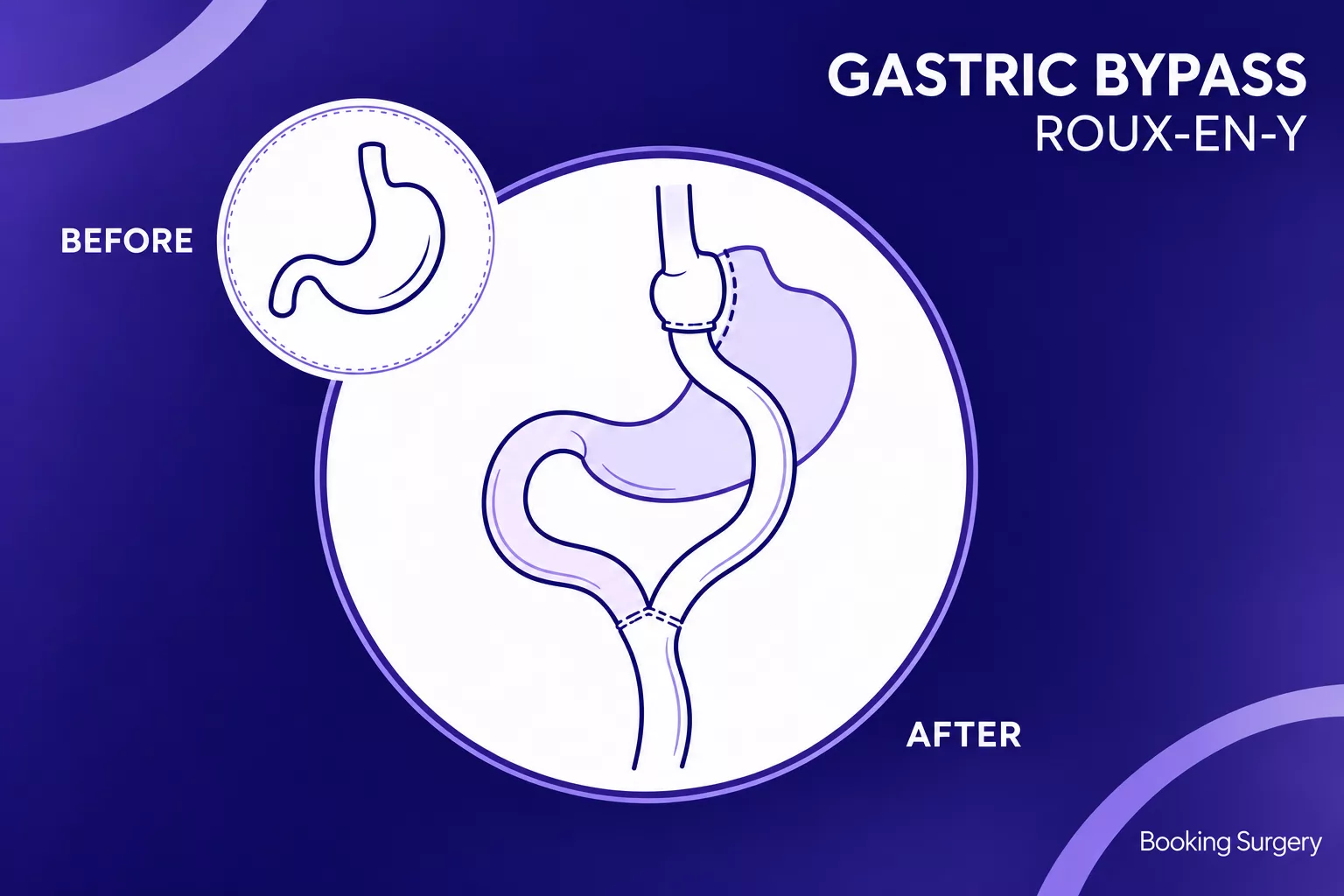
Roux En Y Gastric Bypass
Keyhole surgery that creates a small stomach pouch and reroutes the gut to cut hunger and calorie uptake.
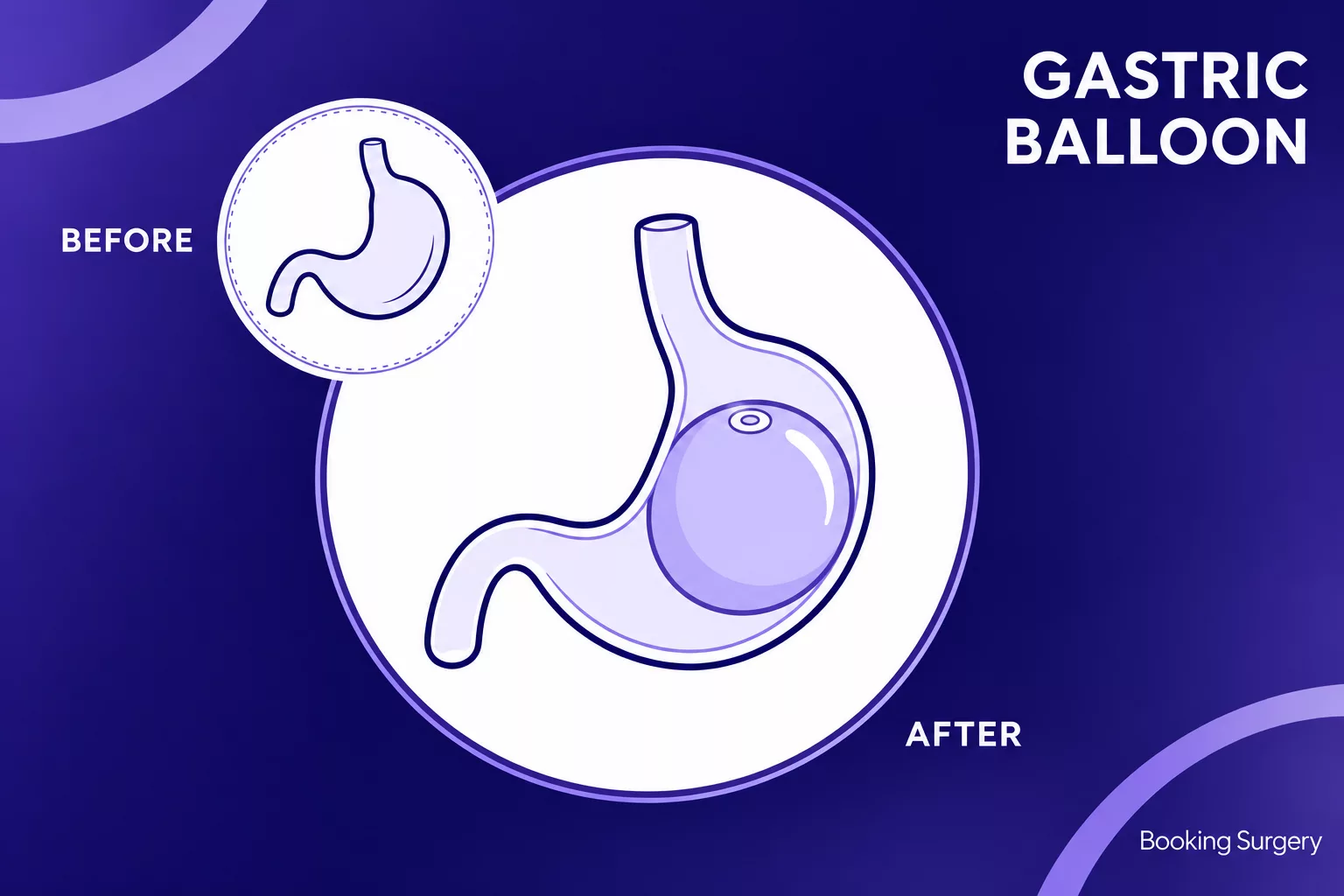
Gastric Balloon
A soft saline-filled balloon placed in the stomach for 6–12 months to help you eat less.
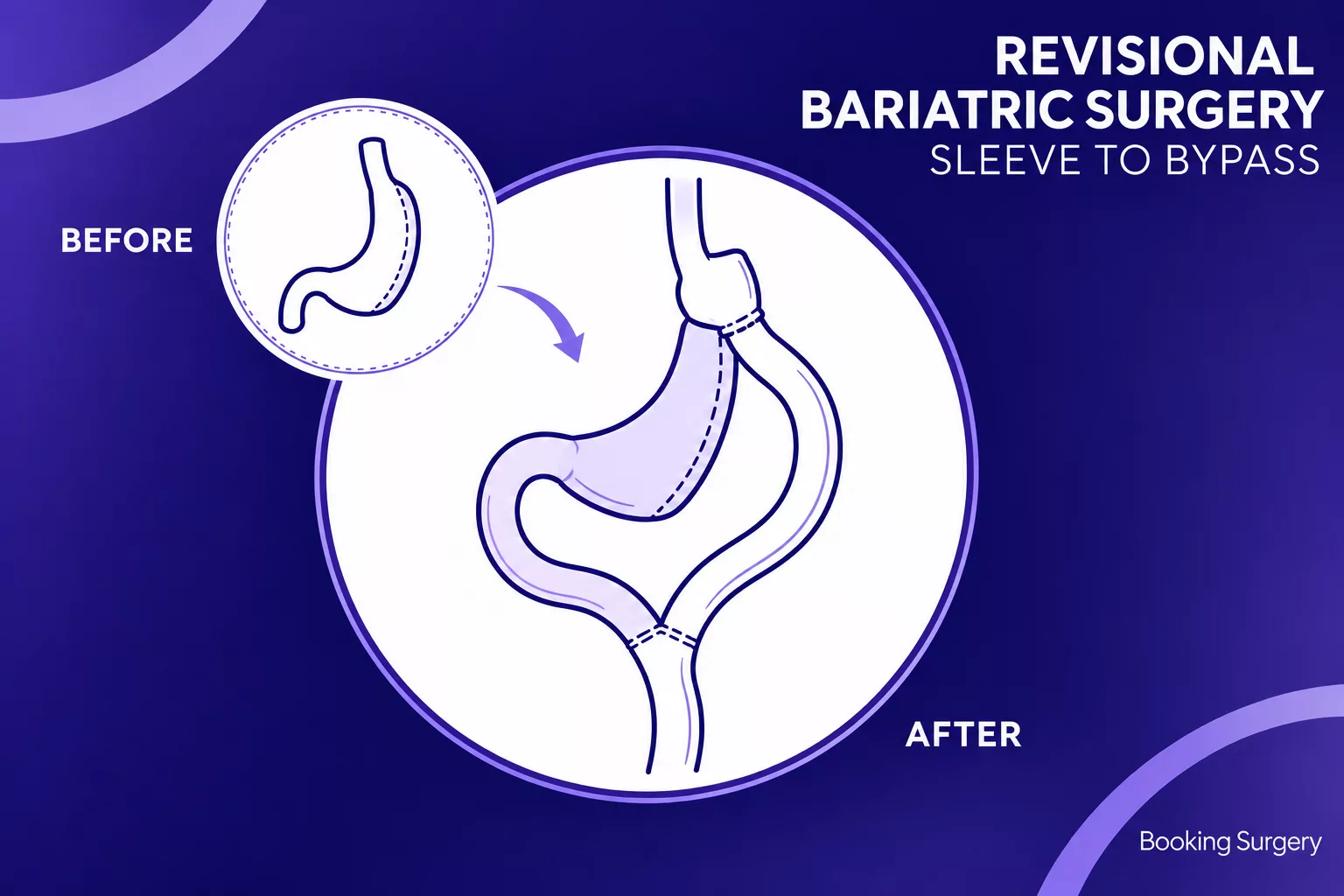
Revisional Bariatric Surgery
A second operation that corrects or converts an earlier weight loss procedure that has not worked well.
What the Bariatric Surgery package includes
-
Hospital and medical care
Your private hospital room, nursing care, pre-operative tests, consultations with your surgeon, anaesthesia, the operation itself and the medication you take home.
-
VIP transfers
A private driver meets you at the airport and takes you between the airport, your hotel and the hospital.
-
Translator and companion
A medical translator at the hospital, and a companion can travel with you at no extra cost.
-
Meals and comfort
Daily meals for you and your companion throughout your stay.
-
24/7 patient coordinator
A dedicated coordinator answers your questions before, during and after your trip, in your language.
Your surgeons for Bariatric Surgery


Bariatric Surgery FAQ
Which weight loss operation is best for me?
There is no single best operation. The right choice depends on your BMI, your health conditions, whether you have acid reflux and whether you have had weight loss surgery before. The surgical team reviews your history and recommends the options that are safe and suitable for you.
What BMI do I need for bariatric surgery?
Surgery is usually considered with a BMI of 40 or more, or 35 or more with a condition such as type 2 diabetes or sleep apnoea. Some people with a BMI from 30 to 35 and poorly controlled diabetes may be assessed. A gastric balloon may be offered at a lower BMI, often from around 27 to 28.
Is weight loss surgery done through keyhole incisions?
Yes, the operations are performed laparoscopically through several small incisions rather than one large cut. A gastric balloon needs no incisions at all because it is placed through the mouth with an endoscope.
How long will I need to stay in Turkey?
A gastric balloon needs 2 days in Istanbul with 1 night in hospital. A gastric sleeve needs 4 days with 3 nights in hospital. Gastric band removal needs 4 days with 2 nights in hospital. A bypass or other revisional operation needs 5 days with 4 nights in hospital. You have a final check before you fly home.
Will I need to take vitamins after surgery?
Yes. After a sleeve or bypass you will need vitamin and mineral supplements, and after a bypass they are needed for life. Regular blood tests help catch any deficiency early.
Can a previous weight loss operation be changed?
Often it can. If you have regained weight, did not lose enough or have developed a problem such as reflux, a revisional operation may convert your earlier procedure into another one. It is more complex than a first operation, so a careful assessment comes first.
Will I lose hair after bariatric surgery?
Some temporary hair thinning is common between about the third and sixth month, as the body adjusts to rapid weight loss. Eating enough protein and taking the recommended supplements usually helps, and hair generally grows back.