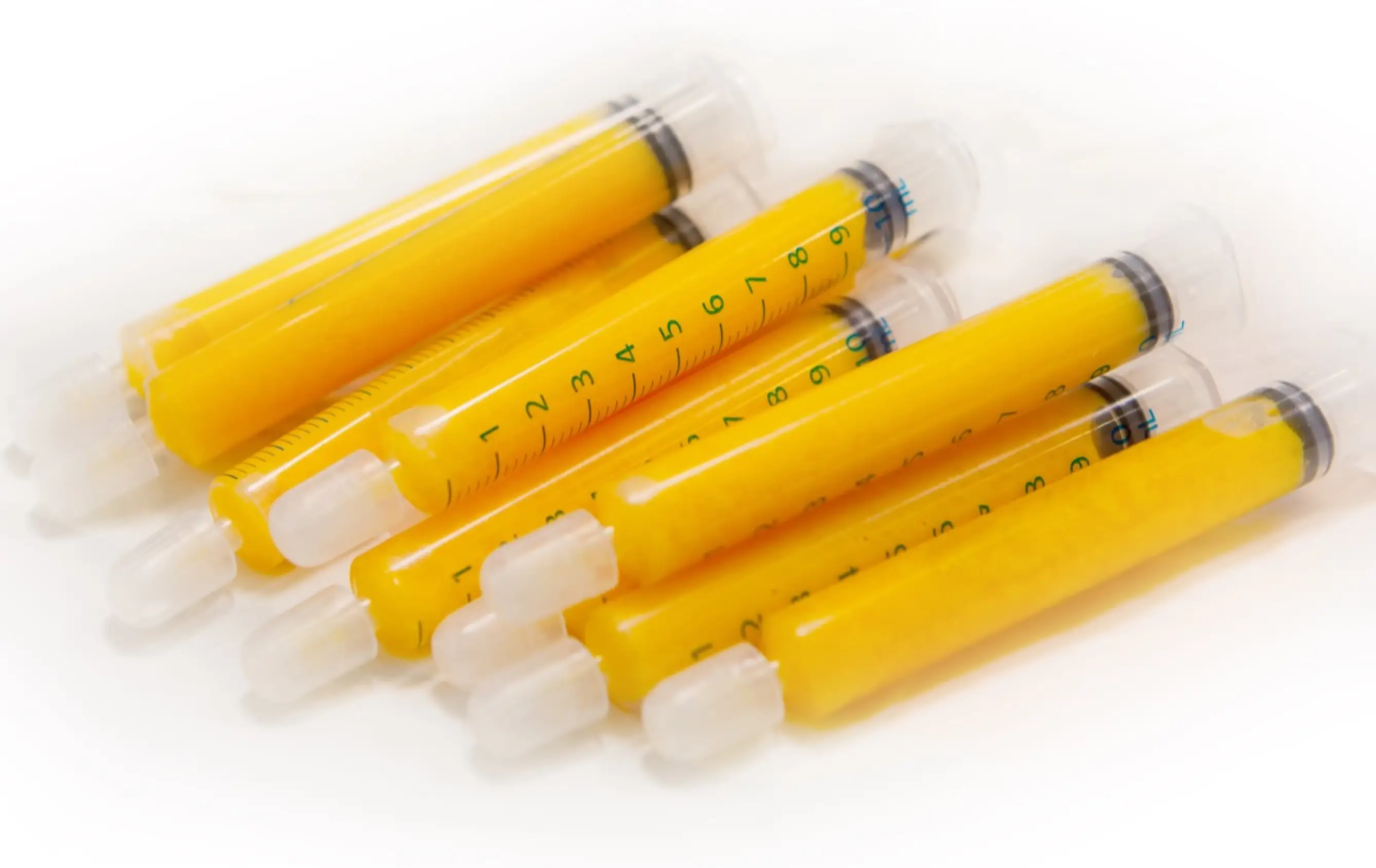
What is fat transfer?
Fat transfer, also called fat grafting or lipofilling, is a procedure that moves fat from one part of your body to another. Fat is removed by gentle liposuction from a donor area such as the abdomen, flanks or thighs. It is then cleaned and injected in small amounts into the area that needs more volume.
Because it uses your own tissue, there is no implant or foreign material involved, and there is no risk of an allergic reaction to the graft. You also gain a slimmer donor area as a side benefit. Fat can be used to add volume to the face, under the eyes, the lips, the breasts, the hips and the buttocks, and to smooth contour irregularities or certain depressed scars.
Who is fat transfer suitable for?
Fat transfer may suit you if you would like a natural-looking increase in volume and prefer not to have implants or repeated filler treatments. Surgeons generally look for patients who:
- Are in good general health and fit for anaesthesia
- Have enough fat in a donor area to harvest
- Are close to a stable, healthy weight, usually within about 10 kg of their ideal weight
- Do not smoke, or will stop well before and after surgery
- Understand that some of the transferred fat will be reabsorbed
Common uses of fat transfer
Depending on the area treated, fat transfer has different names:
- Buttocks: often called a Brazilian butt lift, to add shape and projection
- Breasts: a modest, natural enlargement without implants, or to soften the edges of an implant
- Face: to restore volume lost with age in the cheeks, temples and under the eyes, often alongside a facelift
- Lips: a longer-lasting alternative to fillers
- Body contour: to fill dents left by previous liposuction or scarring
How the procedure is done
Fat transfer is done under local anaesthetic with sedation or general anaesthesia, depending on the areas treated. It usually takes 1 to 4 hours.
Planning and marking
The day before surgery you have pre-operative tests. The surgeon agrees with you which areas will donate fat and which will receive it, and marks them on your skin.
Harvesting the fat
Small incisions are made in the donor area. A fluid is injected to numb the tissue and reduce bleeding, and fat is removed with a thin cannula using low suction to protect the fat cells.
Purifying the fat
The collected fat is washed, filtered or spun to separate healthy fat cells from fluid and oil.
Injecting the fat
Using a very fine cannula, the surgeon places the fat in many thin layers through tiny incisions. Spreading it out in this way gives each small deposit the best chance of picking up a blood supply and surviving.
Recovery timeline
- First few days
Expect swelling, bruising and soreness in both the donor and treated areas. Small drains may be used after larger procedures. You wear compression garments over the donor area.
- Weeks 1–2
Most patients return to desk work and light daily activities within 1 to 2 weeks. Avoid putting pressure on the treated area.
- Weeks 2–6
Swelling goes down noticeably over 2 to 3 weeks. You can usually restart exercise gradually after about 4 to 6 weeks.
- Months 3–6
Part of the transferred fat is reabsorbed during the first months. What remains after 3 to 6 months is usually stable, and this is when you see your final result.
Aftercare
To help as much fat as possible survive, your surgeon will usually ask you to:
- Avoid pressure on the grafted area, for example by not sitting directly on your buttocks after a Brazilian butt lift
- Wear your compression garment over the donor area as instructed
- Avoid strenuous exercise for at least 2 weeks
- Keep out of the sun, saunas and hot baths while swelling settles
- Avoid smoking and alcohol, which reduce blood flow to the graft
- Keep your weight stable
- Check every medicine and supplement with your coordinator, as aspirin, ibuprofen and some supplements can increase bleeding
Risks and side effects
Fat transfer is generally well tolerated, but every operation has risks. Your surgeon will explain them before you consent. They include:
- A fluid collection under the skin (seroma)
- Bleeding or bruising
- Infection
- Lumps, firm areas or small cysts where fat has not survived
- Uneven or less volume than hoped, which may need a top-up
- Changes in skin sensation
- Scarring at the incision sites
- Blood clots
- Injury to nerves, blood vessels or muscles
- A reaction to the anaesthetic
A rare but serious risk is fat entering a blood vessel, which is why fat is injected with careful technique and, in the buttocks, only above the muscle.
Results
Because the result depends on how much fat survives, it develops over several months. Once settled, the added volume looks and feels like your own tissue and is usually long-lasting.
Fat transfer in Turkey: your trip
Before you fly
You send photos and your medical history. The surgeon reviews them and our team sends you a treatment plan and price. Stop smoking and alcohol at least 2 weeks before travel.
In Istanbul
A driver meets you at the airport. A translator stays with you through tests, consultation and surgery. You rest in hospital and have a check-up before you leave. A companion can stay with you at no extra cost.
Back home
Your coordinator stays in touch on WhatsApp and passes your questions to the surgical team.
What the Fat Transfer package includes
- VIP transfers from and to Istanbul Airport (IST)
- Fully equipped room in the hospital
- Translation services at the hospital and during follow-up
- Pre-operative testing
- Consultation with your doctors
- Post-operative care and follow-ups for a year
- General anaesthesia
- Special compression garments
- One companion included in the price
- Three meals a day for you and your companion
- Full hospital stay for 4 nights, 5 days
- Aftercare package with a full set of medications to take home
Fat Transfer FAQ
Is fat transfer permanent?
Fat that survives the first few months after transfer usually behaves like the rest of your body fat and stays long term. Not all of the transferred fat survives, so surgeons often place a little more than is needed. Some patients choose a second session to fine-tune the result.
How much of the fat survives?
It varies from person to person and between areas of the body. The body reabsorbs part of the transferred fat in the first weeks, and what remains after about three to six months is generally stable. Your surgeon will explain what is realistic for the area you want treated.
Do I need to have enough fat to qualify?
Yes. You need a suitable donor area with enough fat to harvest, which is why very slim patients may not be good candidates. Your surgeon will assess this from your photos and at your consultation.
How is fat transfer different from fillers?
Fillers are a manufactured gel that the body gradually breaks down, so treatment usually needs repeating. Fat transfer uses living tissue from your own body and, once settled, tends to last much longer. It is a surgical procedure, however, so recovery takes longer than after a filler appointment.
Will my weight affect the result?
Yes. Transferred fat cells can grow or shrink if your weight changes. Keeping a stable weight after surgery helps preserve the shape you achieve.
Can fat transfer be combined with other procedures?
Yes. It is often combined with liposuction for body contouring, with a facelift to restore lost facial volume, or used to improve contour irregularities and certain scars. Your surgeon will tell you whether a combined plan suits you.
How long should I stay in Turkey?
Plan for 5 days in Istanbul. Your package includes a full hospital stay of 4 nights, so you recover in a private room with nurses on hand day and night. This allows for tests, surgery and a check-up before the flight home.