In this article
Deciding to have weight loss surgery is a big step, and one of the first questions most people ask is whether a gastric sleeve or a gastric bypass would suit them better. Both are well-established operations, both are done by keyhole surgery, and both can lead to lasting weight loss and better health. The difference lies in how they work, and that affects who each one suits best.
This guide compares the two side by side: how each operation is done, how it helps you lose weight, the likely results, the risks, and the medical factors that usually guide a surgeon's recommendation. It will not make the decision for you, but it should help you have a clearer conversation with your surgical team.
How a gastric sleeve works
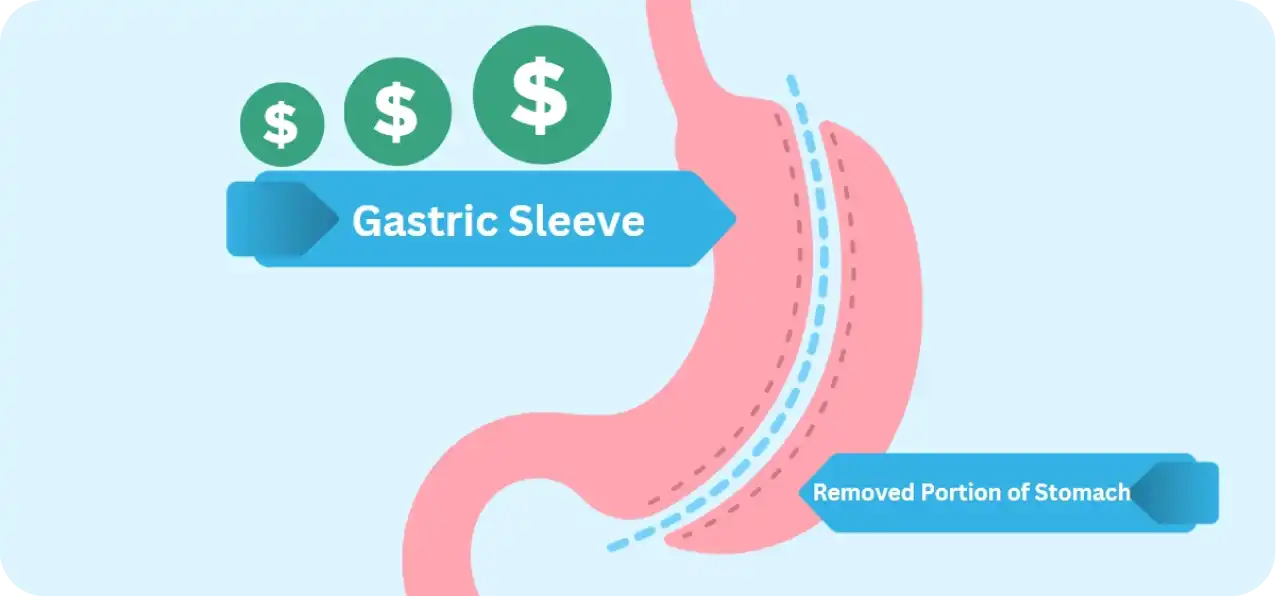
In a gastric sleeve, also called a sleeve gastrectomy, the surgeon removes about 80% of the stomach. What is left is a narrow tube, roughly the shape of a banana. The intestine is not rerouted, so food passes through the digestive system in the usual order.
The sleeve helps in two main ways:
- Smaller capacity: you feel full after a much smaller meal.
- Less hunger: the part of the stomach that is removed produces most of the hunger hormone ghrelin, so many people notice their appetite drops soon after surgery.
The operation is permanent and cannot be reversed, because the removed part of the stomach is taken out of the body.
How a gastric bypass works
The most common type is the Roux-en-Y gastric bypass. The surgeon creates a small pouch at the top of the stomach and connects it directly to a lower section of the small intestine. Food then bypasses most of the stomach and the first part of the small intestine. The rest of the stomach stays in place but no longer receives food.
A bypass works through:
- Restriction: the small pouch limits how much you can eat at once.
- Reduced absorption: because part of the intestine is bypassed, you absorb somewhat fewer calories, and also fewer vitamins and minerals.
- Hormonal changes: the new route changes gut hormones that influence appetite and blood sugar, which is one reason a bypass often has a strong effect on type 2 diabetes.
A bypass is technically reversible in principle, but reversal is a complex operation and is rarely done. It is best thought of as a long-term change.
Gastric sleeve vs gastric bypass at a glance
| Feature | Gastric sleeve | Gastric bypass |
|---|---|---|
| What is changed | Stomach reduced to a narrow tube | Small stomach pouch joined to the small intestine |
| How it works | Restriction and lower hunger hormone levels | Restriction, reduced absorption and hormonal changes |
| Intestine rerouted | No | Yes |
| Reversible | No | Rarely, and with difficulty |
| Typical weight loss | Around 60–70% of excess weight over 12 to 18 months | Similar, sometimes slightly more over the same period |
| Acid reflux | Can start or worsen after surgery | Often improves |
| Type 2 diabetes | Often improves | Often improves, sometimes more strongly |
| Vitamin supplements | Needed long term | Needed for life, with closer monitoring |
| Operation time | Usually 1 to 2 hours | Usually a little longer than a sleeve |
Results you can realistically expect
With either operation, most of the weight comes off during the first year, then the rate slows until your weight settles. Many people lose around 60–70% of their excess weight with a sleeve. Results after a bypass are broadly similar, and some patients lose a little more. In practice, the difference between individuals is often larger than the difference between the two operations.
What makes the biggest difference is what happens after surgery: following the staged diet, eating protein first, avoiding grazing and sugary drinks, staying active and attending follow-up. Both operations are tools that make these habits easier to keep, not substitutes for them.
Health improvements
Both operations commonly improve conditions linked to obesity, including type 2 diabetes, high blood pressure, sleep apnoea and joint pain. Some people are able to reduce or stop medication, under their own doctor's supervision. A bypass is often favoured when diabetes is long-standing or difficult to control, although a sleeve can also be very effective.
Risks and side effects
Both are major operations under general anaesthesia, and both carry risks such as bleeding, infection, blood clots and, less commonly, a leak where the stomach or intestine has been stapled or joined. Your surgeon will explain how these risks apply to you.
Specific to the gastric sleeve
- Acid reflux may start or get worse. For a small number of people it becomes a long-term problem, and some later need a conversion to a bypass.
- A leak along the long staple line is uncommon but serious if it happens.
Specific to the gastric bypass
- A higher chance of vitamin and mineral deficiencies, especially iron, vitamin B12, calcium and vitamin D, so lifelong supplements and regular blood tests are essential.
- Dumping syndrome, where sugary or fatty food moves into the intestine too quickly and causes nausea, sweating or dizziness.
- Small risks of ulcers at the join and of internal hernias, which can occur months or years later.
Which one is right for you?
There is no single best operation. Surgeons look at your whole picture, and some common patterns are:
- A sleeve may suit you better if you do not have significant reflux, you would rather not have your intestine rerouted, or you have conditions or medicines that make a bypass less suitable.
- A bypass may suit you better if you have troublesome acid reflux or a hiatus hernia, long-standing type 2 diabetes, or a very high BMI where the extra metabolic effect may help.
- Your habits matter too: someone who drinks a lot of sugary drinks or snacks on sweet foods may benefit from the dumping effect of a bypass, while someone who struggles with taking supplements may find the sleeve easier to manage.
Other operations, such as the mini gastric bypass, may also be discussed. The final recommendation should come from the surgical team after reviewing your medical history, BMI and any tests.
Life after either operation
Recovery follows a similar path. You will spend 3 nights in hospital after a sleeve or 4 nights after a bypass, then move through a staged diet over several weeks, from clear liquids to purées, soft foods and finally normal textures in small portions. Most people return to desk work in two to three weeks. Long term, you will eat smaller meals, focus on protein, drink between rather than with meals and take supplements as advised.
With Booking Surgery, surgery takes place at partner hospitals in Istanbul as an all-inclusive package covering your hospital stay, pre-operative tests, surgery, medication, VIP airport, hotel and hospital transfers, a translator and meals. A companion can come with you at no extra cost, and a coordinator is available on WhatsApp 24 hours a day during your stay.
Your next steps
If you are weighing up a sleeve and a bypass, the best starting point is a free assessment. Send your height, weight, medical history and any current medicines to a Booking Surgery patient coordinator, and the partner surgical team will review them and explain which operation they would recommend for you, and why. You can ask as many questions as you need before deciding anything.